Research

Research forms a very important part in our interactions as members of the GLOCCRIN network and opportunities are always created for collaborative research and knowledge exchange activities, publications, engaging in funded research and dissemination of research knowledge through seminars, workshops, and conferences. Our key areas of research in GLOCCRIN are on global citizenship and children’s rights, with a greater focus on the global south and the diaspora. These research areas are captured in themes outlined below
Research Themes
Global Citizenship Themes
The notions on Global citizenship stem from an increasing understanding that the world has become a complex web of connections and interdependence, implying that citizens’ actions in one part of the globe, such as wars, climate change and displacement of people, may have immediate effects on other communities hence the notions of a world that has become a ‘global village’. Some of the key drivers to this has been industrialisation, raised levels of migration and advances in technology. Below are some of the themes that characterise and influence some research interests in our network
- • Global citizenship and rights-based frameworks
- • Unilateralism, Multilateralism, and emerging trends
- • Global South and geopolitics
- • Global migration and citizenship
- • Public policy and citizenship rights
- • Migration and economic development of global citizens
- • LGBTQ and human rights
- • Rights and responsibilities and the global citizens
- • Being a global citizen, interculturalism and multiculturalism
- • Global Citizenship and Sustainability
- • Global citizenship and education
- • Global citizenship and development
- • Global citizenship and gendered perspectives
- • Transnational citizenship
Children’s Rights Themes
The positive wellness of children enhances the development of empowered future leaders. The United Nations Convention on the Rights of the Child was a great achievement. In this regard, the rights strategy must continue to be nurtured and pursued. As nations, particularly in the global south, we should put our arms together to ensure full support of this special population. We need to catch them while they are still young, especially while they are still in their homes, schools and communities.
Theme 1: Child-friendly schools
Child-friendly Schools (CFS) provide:
- • A democratic environment based on children’s rights, where all students are accepted,
- • The teaching and learning processes are organised according to children’s interests, needs, health, safety, and
- • Protective measures are taken to ensure there is no discriminatory practice.
Theme 2: Inclusivity in school environments
- • Inclusivity in line with the provisions of the UN Convention on the
- • Rights of the Child
- • Designs inclusive of diaspora children
- • Interculturalism and the multicultural in global contexts
Theme 3: Child-Friendly Homes
- • Positive child-parent/ family relationships
- • Conducive Home Environment
- • Child play and leisure facilities
- • Friendly and supportive home learning environment
- • Attentive and listening to children's concerns and fears
- • Good neighbourliness
- • Child protection awareness by parents and communities
- • Socialising and community engagement, and integration
Theme 4: Diaspora children and statelessness
- • Uncaged the caged support system for stateless children
- • Asylum and Refugee children
- • Collaboration with teachers, parents and researchers
- • Collaboration with parents, the Home Affairs of the hosting country and the country of origin (Ambassadors)
Theme 5: Technology-supported interventions for children’s rights in the 21st Century
- • Enhancing children’s rights through technology systems
- • AI and its role in children’s rights and education
- • Strategic interventions for children with special needs
- • Future thinking on children’s rights
Recent Publications

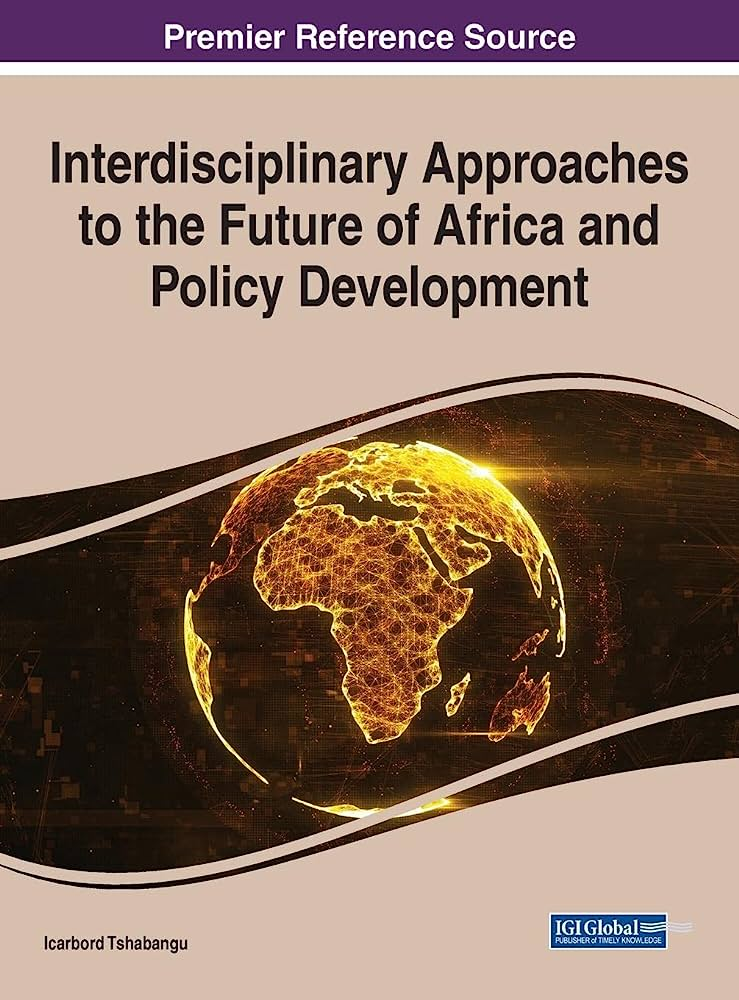
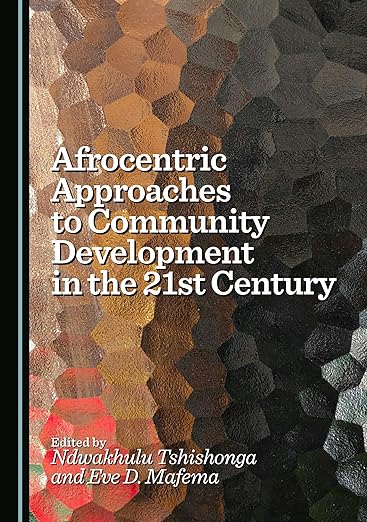
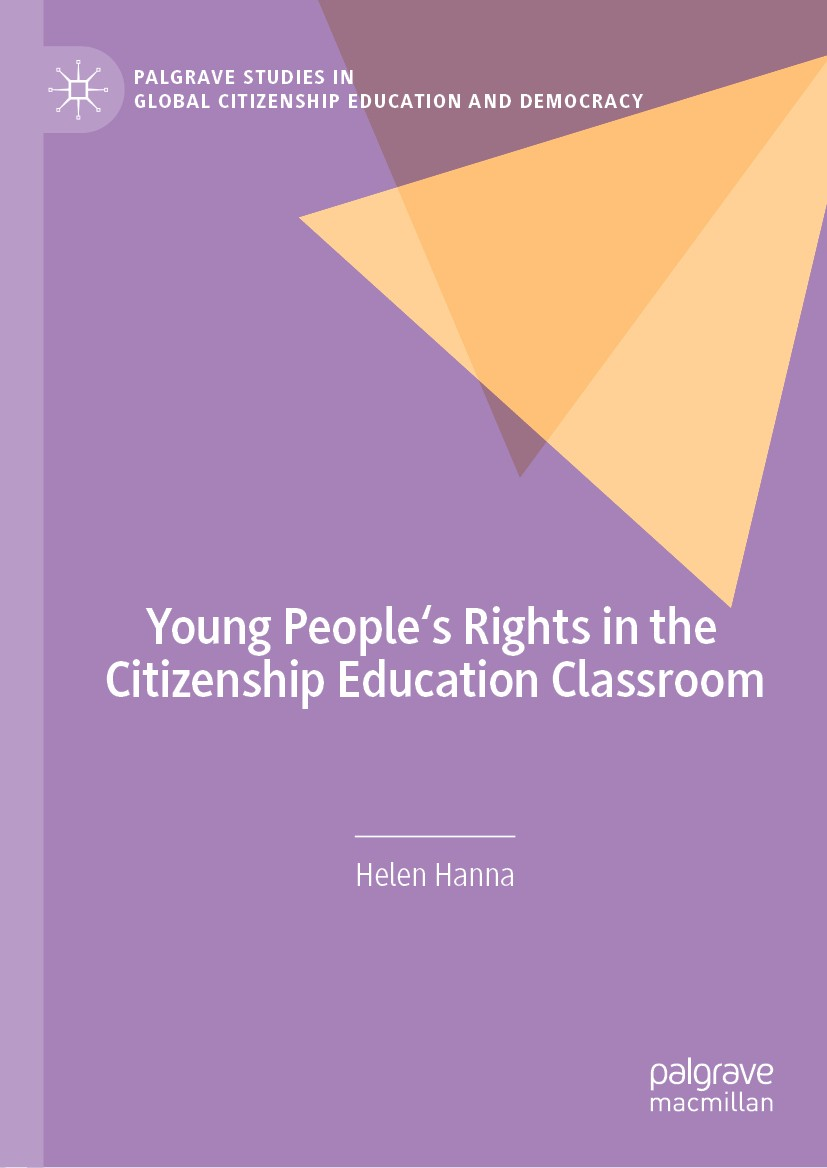
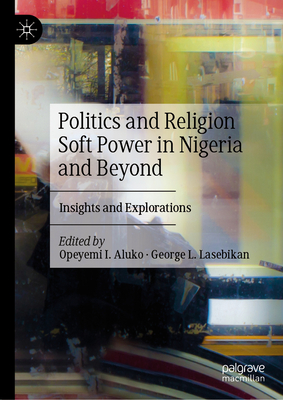
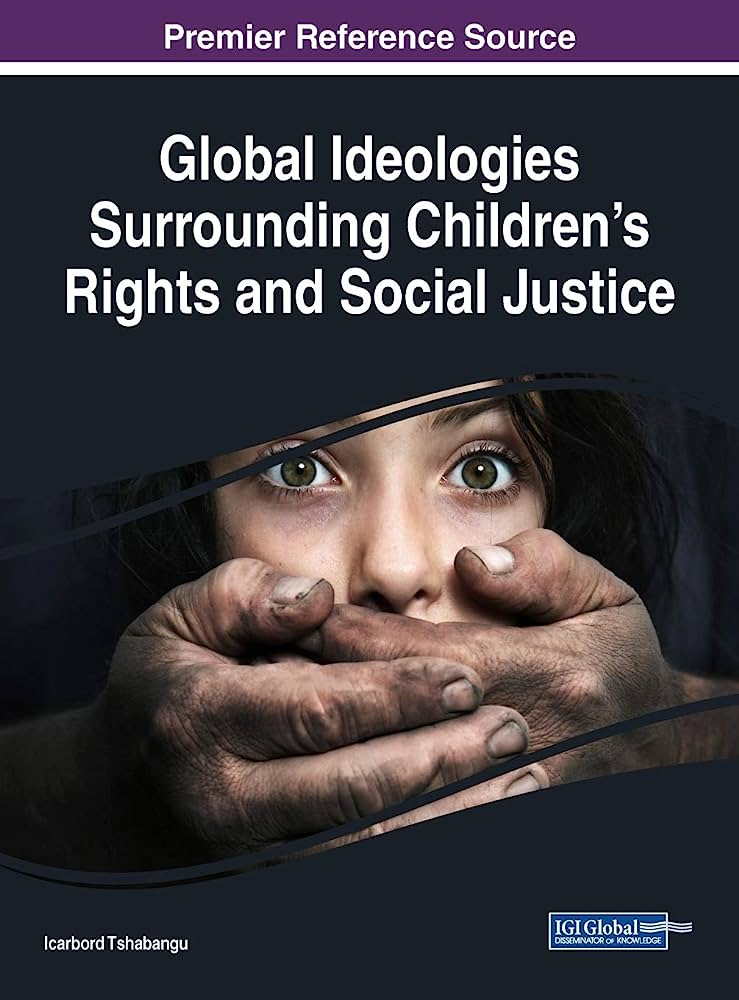
Knowledge Exchange - Interculturalism, Faith and Racial Justice Forum 2025
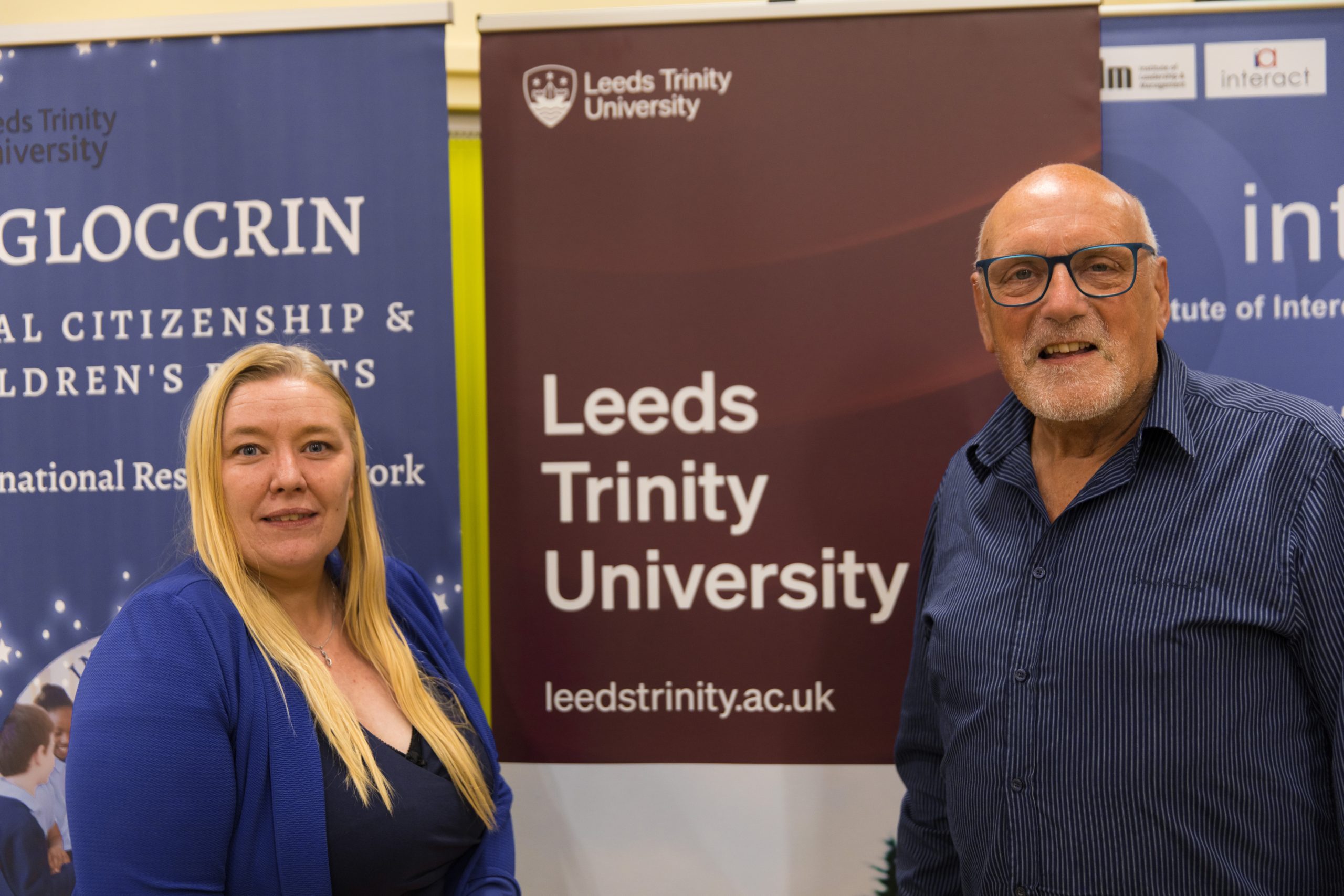
This Knowledge Exchange forum was facilitated by Dwayne Hutchinson (Faith and Racial Justice Lead at Church Institute) in partnership with GLOCCRIN (Global Citizenship and Children’s Rights Network) and Leeds Trinity University. The main purpose of the gathering was to introduce the concept of interculturalism, with its emphasis on understanding and interaction between people of different ethnicities, cultures and traditions and how it can help to challenge racism and discrimination in Leeds. Dr Chris Swift ( Director of Leeds Church Institute) welcomed everyone, and Professor Charles Egbu (Vice Chancellor of Leeds Trinity University) introduced the evening by telling his story and how his faith motivates his concern for racial and social justice. This was followed by ‘Testament’, a local poet and rap artist who performed a poem and rap on the theme of the evening. We then learnt how Transformations Leeds (a Christian charity working with international students) makes international students feel welcome, through various intercultural activities
Paul Lancaster (GLOCCRIN) spoke in two sessions. The first covered what interculturalism is as distinct from multiculturalism and why this matters. He then shared from a Christian perspective an unfolding story of how an intercultural approach had developed in the city during the last twenty years, starting with reconciliation between White and Black Led Churches; an annual intercultural celebration in the centre of Leeds with over 30 nationalities, an Intercultural Mission Forum and intercultural leadership training in partnership with Leeds Trinity University. Reference was also made to Leeds joining the Intercultural Cities Network (2021) and what this means for the city. Discussion groups considered:
- ~ How they felt they were engaging in their various spheres from an intercultural standpoint.
- ~ The benefits and challenges of working in this way. Stories were shared about engagement and the needs of ethnic minorities, particularly a real sense of belonging.
- ~ Intercultural dialogue and the need for a mindset of openness, curiosity and commitment, bridging the divide between those who see diversity as a threat and those who see it as an advantage.
- ~ Themes, including intercultural leadership, what an intercultural city looks like, the need for intercultural training and the relationship between interculturalism and racial justice.
- ~ How both racial justice and interculturalism aim for inclusion and equity, challenging exclusion, discrimination and marginalisation as they work towards creating inclusive societies.
- ~ The role of the church as a prophetic example of genuine interculturalism, with the opportunity to bring healing and reconciliation.
The Bishop of Huddersfield, Smitha Prasadan, closed the evening, very much appreciating the progress that has been made in Leeds and encouraging us all to keep moving forward.
Research and Co-creation

Co-creating with students is a process where students collaborate with lecturers in designing their own research, knowledge exchange activities or learning experiences. Embracing both lecturers' and students' perspectives, the activities are largely constructivist, which posits that participants construct knowledge and meaning from lived experiences rather than passively receiving information. Higher education institutions are becoming increasingly internationalised, and co-creation provides opportunities for enriched intercultural experiences, enhanced competencies and increased employability prospects. Our funded projects so far include;
Funded Research project 2024-25
| Research Project Title | Mental Health Challenges Associated with Barriers in Education and Employment: A Systematized Review |
| Project Lead | Icarbord Tshabangu, Associate Professor, CYPF Leeds Trinity University |
| Co-researchers | Dhimoyee Banerjee, 3rd Year PhD student, Leeds Trinity University; |
Co-creation Seed Fund research project 2024-25
| Research Project Title | Developing Relational Pedagogical Strategies in Education through Intercultural Leadership |
| Project Lead | Icarbord Tshabangu, Associate Professor, CYPF Leeds Trinity University |
| Co-researchers | Dhimoyee Banerjee, 3rd Year PhD student, Leeds Trinity University; Paul Lancaster, GLOCCRIN |
Co-creation Seed Fund research project 2023/24
| Research Project Title | Evaluating Students’ Perceptions of Intercultural Competencies and Awareness in Higher Education Provision? |
| Project Lead | Icarbord Tshabangu, Associate Professor, CYPF, Leeds Trinity University |
| Co-researchers (staff | Paul Lancaster, INTERACT, Guest Participant staff (trainer) |
| Student - Researchers | Dhimoyee Banerjee, PhD student, Leeds Trinity University; Servet Ozen MAMH Leeds Trinity University; Kritika Kalia MAMH, Leeds Trinity University; Precious Mokone, MAMH, Leeds Trinity University; Nimra Sattar, BA Hons L6 Leeds Trinity University; Silvia Venezia BA Hons L5, Leeds Trinity University. |
Co-creation Seed Fund research project 2022-23
| Research Project Title
|
Enhancing Intercultural Leadership (IL) Competencies and Awareness in Health and Educational Practice through a Critical Reflective Analysis
|
| Project Lead | Icarbord Tshabangu, Associate Professor, CYPF |
| Co Researchers (staff) |
Richard Baron, Lecturer, Leeds Trinity University; Dhimoyee Banerjee, PhD student, Leeds Trinity University; Paul Lancaster, INTERACT, (trainer) |
| Student-Researchers | Nick Asiedu, MA MH, CYPF, Leeds Trinity University; Augustina Akubo, MA MH, CYPF, Leeds Trinity University; Ify Obinwa, MA MH, CYPF, Leeds Trinity University; Cornelee Mambila, BA, L5, CYPF, Leeds Trinity University; Keigo Lee, BA L5, CYPF, Leeds Trinity University; Amanda Tshabangu, Year 3 MBBS, King’s College, London; Aurelia Stoddard, Year 3 MBBS, King’s College, London |